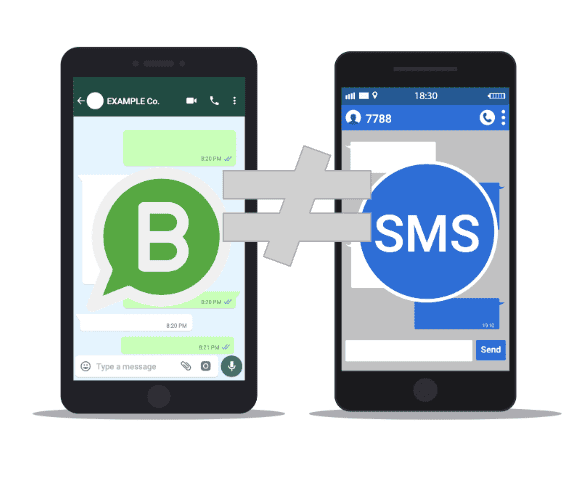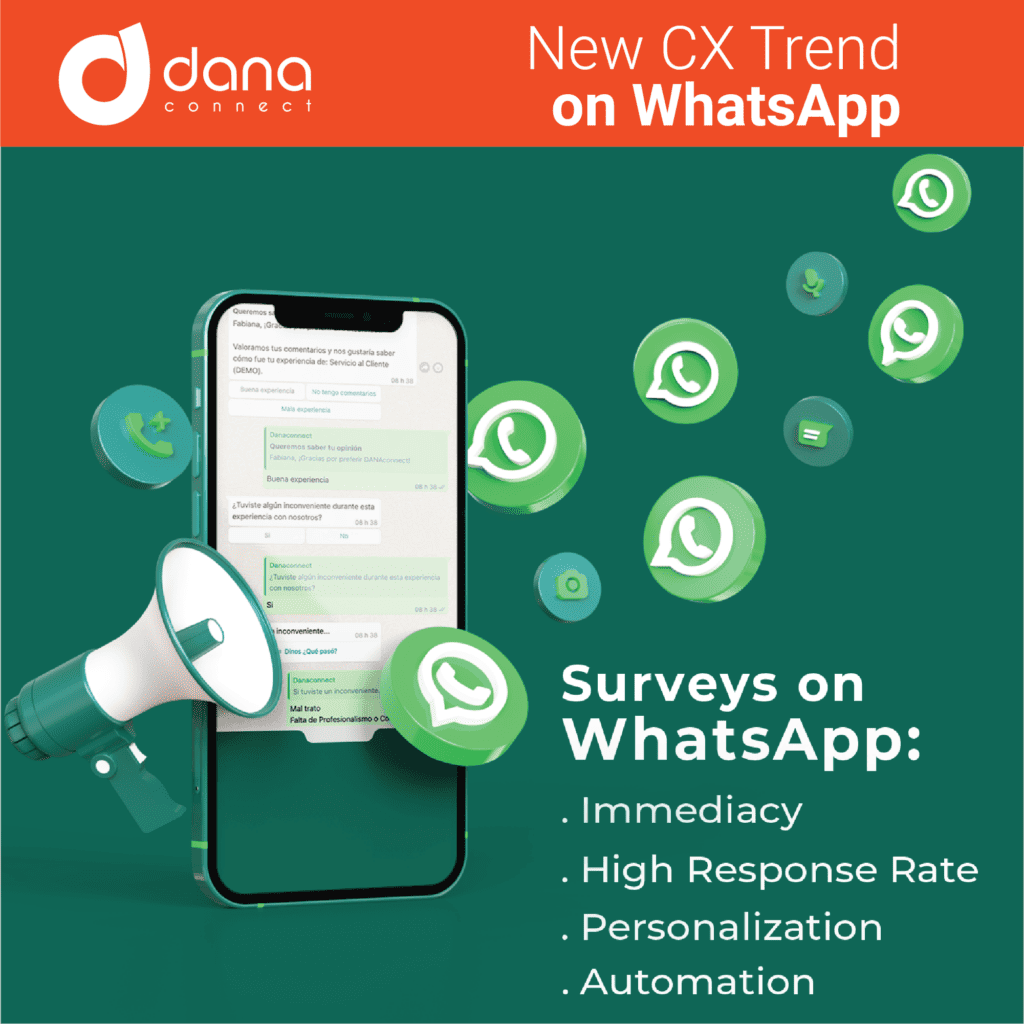

The digital transformation of banking in Latin America is no longer centered solely around mobile apps or web portals. Customer behavior has evolved, and today there is a new touchpoint redefining the relationship between financial institutions and their customers: WhatsApp.
With one of the highest adoption rates in the world across the region, WhatsApp has become an everyday tool for communicating with family, businesses, and service providers. For millions of people, it is the digital channel they use most throughout the day.
For banks, this represents a strategic opportunity.
The Channel Customers Have Already Chosen
For years, financial institutions have invested significant resources in promoting the adoption of mobile apps and digital portals. Yet customers continue to prefer channels that are already part of their daily routines.
In Latin America, WhatsApp is not simply a messaging app. It is a platform people use to work, shop, coordinate services, resolve questions, and interact with businesses.
Customer expectations have also changed. Today, customers expect:
- Immediate responses.
- Simple experiences.
- 24/7 availability.
- Less effort to resolve their needs.
- Interactions similar to those they have with other digital services.
The question is no longer whether customers will use WhatsApp to communicate with their bank. In many cases, they already are.
Why Is WhatsApp Particularly Relevant in Latin America?
WhatsApp adoption in Latin America is among the highest in the world. In many countries across the region, the app is part of everyday life and has become a primary means of digital communication between individuals, businesses, and service providers.
This gives WhatsApp particular strategic value for financial institutions.
Customers Already Use WhatsApp Every Day
Unlike other channels that require a learning curve or adoption efforts, WhatsApp is already part of the daily routine of millions of people. Users do not need to download new applications or learn new interfaces.
Mobile Is the Primary Digital Access Point
For a large part of the Latin American population, smartphones represent the main gateway to digital services. This has accelerated the shift toward service models that are more mobile, simple, and conversational.
Immediacy Has Become an Expectation
Consumers are accustomed to receiving fast responses through messaging applications. That expectation now extends to financial services, where customers want to resolve their needs without lengthy phone calls or complex processes.
Financial Inclusion Remains a Regional Challenge
Bringing financial services into channels people already use can help reduce access barriers and make it easier for customers to interact with financial institutions.
Fintechs Have Accelerated the Shift
Digital-native players have raised market expectations. Customers now compare their banking experience not only with other banks, but with every digital service they use in their daily lives.
The Rise of Conversational Banking
Traditional banking was built around physical branches, call centers, and, later, mobile applications that moved interactions away from a more human experience.
However, a new generation of consumers expects experiences that feel more natural and less complex.
Conversational banking aims to deliver precisely that: enabling people to address financial needs through simple interactions using natural language and familiar channels.
WhatsApp Banking is part of this evolution.
What Is WhatsApp Banking?
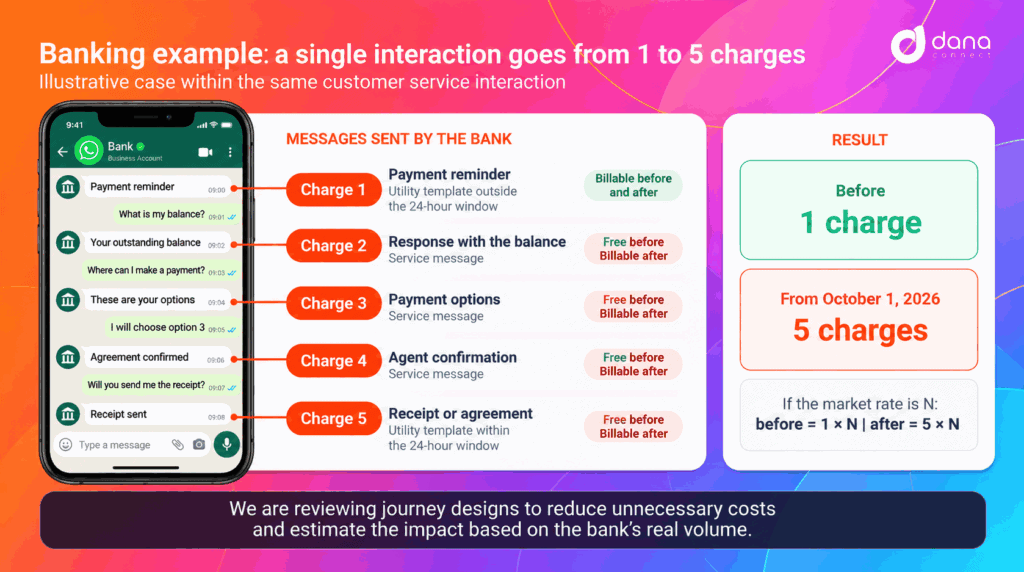
WhatsApp Banking is the use of WhatsApp as a channel for executing banking processes, providing customer service, and enabling secure interactions between financial institutions and their customers.
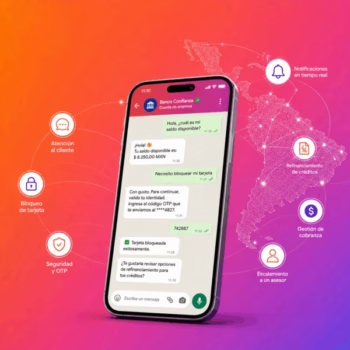
Common use cases include:
- Customer service and inquiries.
- Card blocking.
- OTP validation.
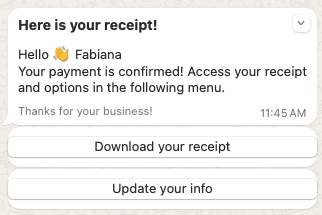
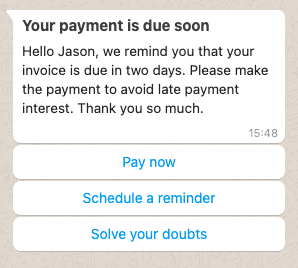
- Transaction confirmations and notifications.
- Application and request tracking.
- Claims management.
- Financial product refinancing.
- Collections processes.
- Escalation to human agents.
Beyond the Chatbot: Complete End-to-End Processes
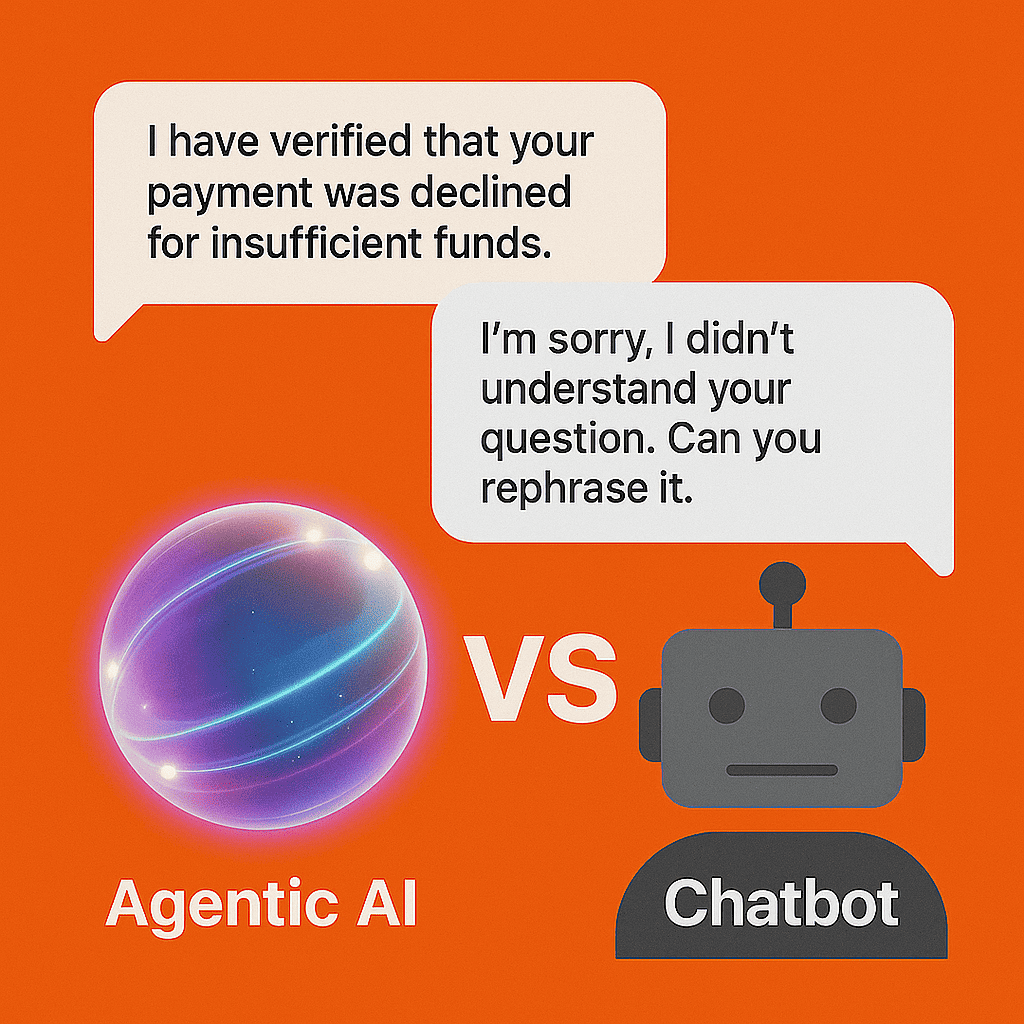
One of the most common mistakes is to associate WhatsApp Banking exclusively with virtual assistants or automated responses.
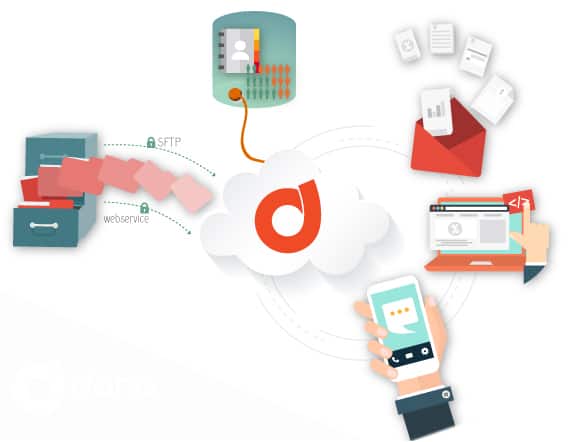
The real value emerges when the channel is integrated with the bank’s systems and can execute complete business processes.
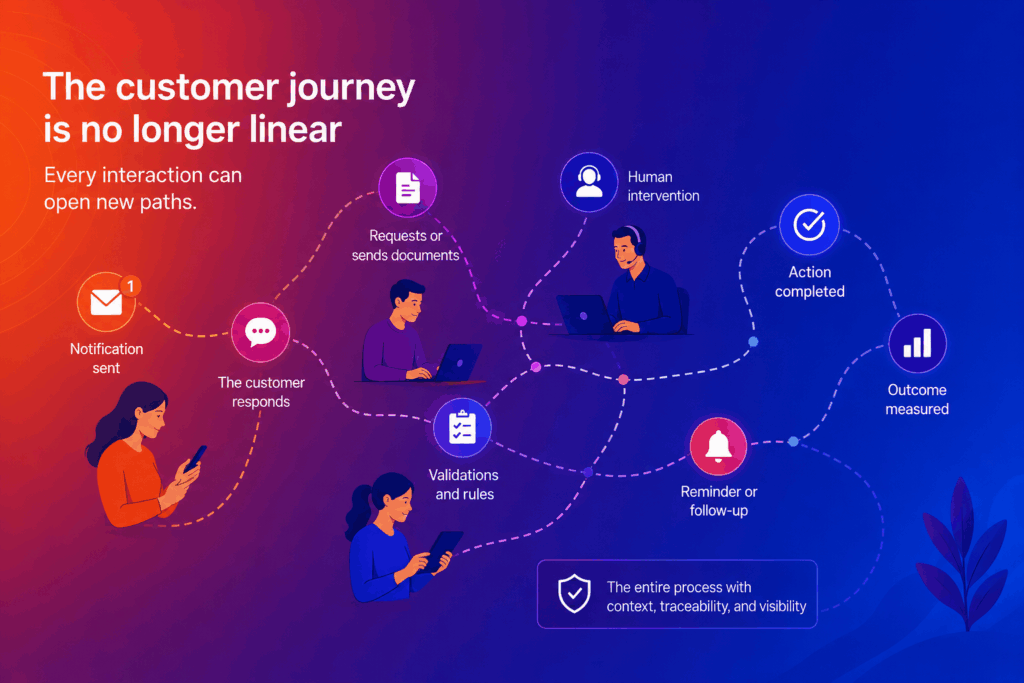
For example, a customer could:
- Report a lost card.
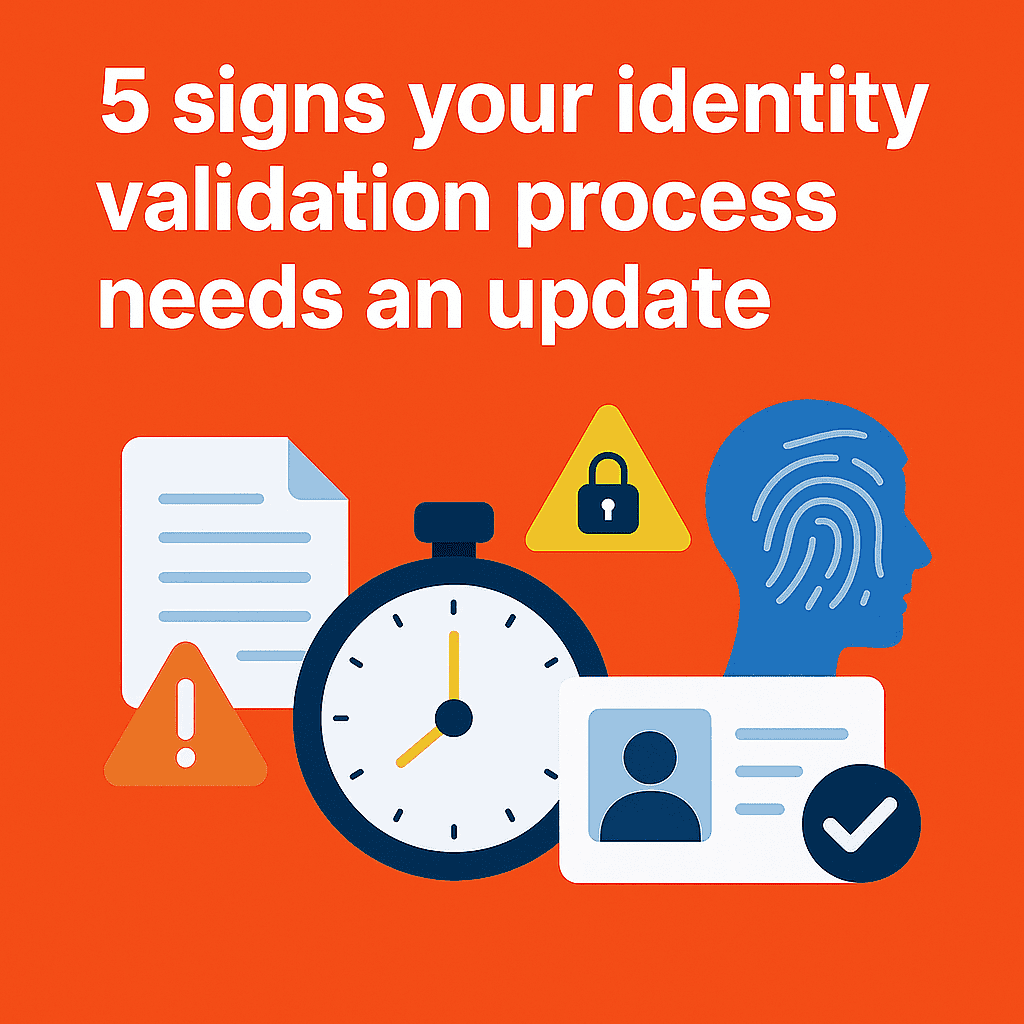
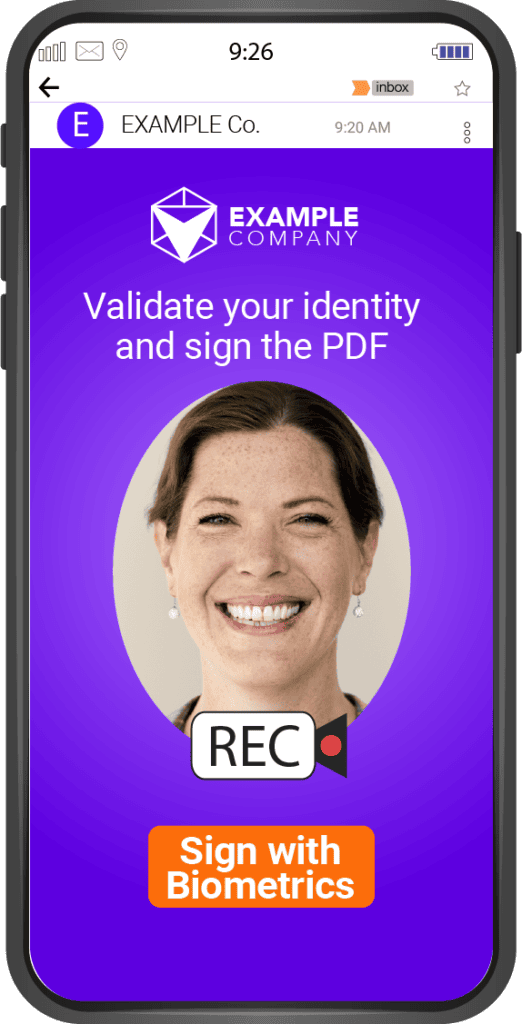
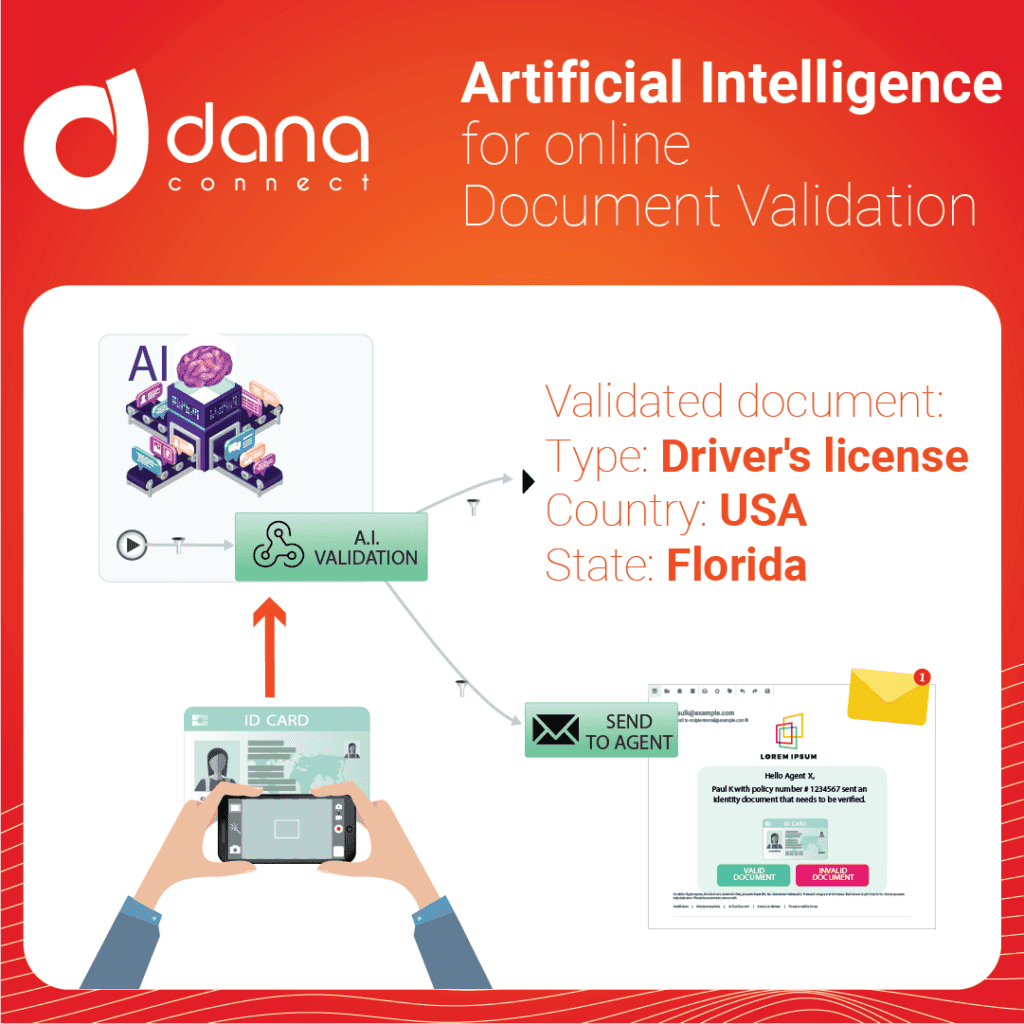
- Validate their identity.
- Confirm the transaction.
- Automatically update internal systems.
- Receive an immediate response.
- Escalate the case to a human agent when necessary.
The conversation is no longer simply an exchange of messages. It becomes an end-to-end digital experience.
Why Are Banking C-Level Executives Paying Attention to WhatsApp?
Greater Customer Proximity
Banks can be present in a channel their customers already use every day.
Lower Operating Costs
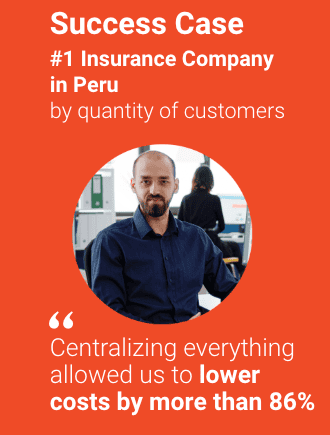
Automation can reduce pressure on contact centers and help institutions optimize resources.
Better Customer Experience
Less friction and shorter response times can lead to higher levels of customer satisfaction.
24/7 Availability
Customers can initiate processes at any time without being restricted by business hours.
Scalability
Banks can manage thousands of simultaneous interactions while maintaining traceability and control.
Competitiveness Against Fintechs
New generations expect fast and simple digital experiences. WhatsApp allows banks to bring the banking experience closer to those expectations.
Security, Compliance, and Control Remain Essential
The adoption of WhatsApp Banking must be accompanied by mechanisms that ensure:
- Secure authentication.
- Integration with internal systems.
- Recording and auditing of interactions.
- Transaction traceability.
- Escalation to human agents when necessary.
Automation does not replace control. It strengthens it.
The Future of Banking in Latin America Will Be Increasingly Conversational
The combination of automation, artificial intelligence, and digital channels is driving a new stage of banking across the region.
Financial institutions are no longer competing solely on the products they offer. They are also competing on their ability to provide simpler, more accessible, and more convenient experiences.
In Latin America, the conversation around WhatsApp Banking is no longer about whether customers will adopt the channel.
That adoption has already happened.
The real question is how financial institutions can transform WhatsApp into a secure, integrated banking experience capable of executing complete business processes.
Because the future of banking is not simply about digitizing processes.
It is about bringing banking closer to the way people already communicate.