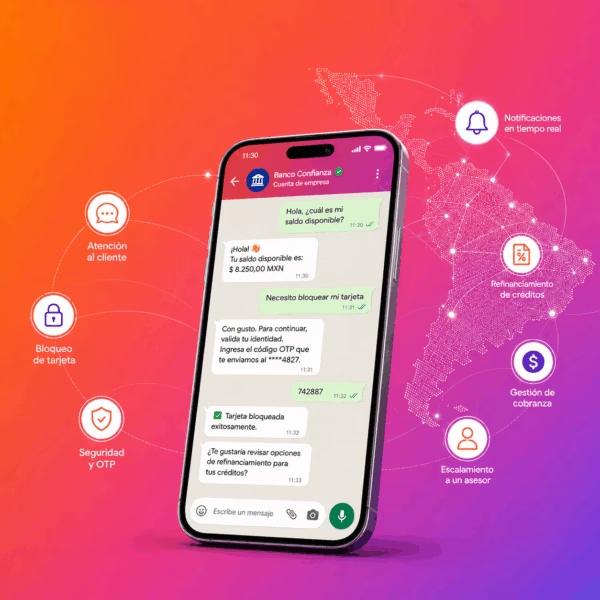

Starting October 1, 2026, Meta is introducing important changes to the WhatsApp Business Platform pricing model. For companies using WhatsApp at scale, especially for customer service, notifications, and automated communications, the change makes it necessary to look beyond the individual cost of each message and focus on how the entire communication flow is designed.
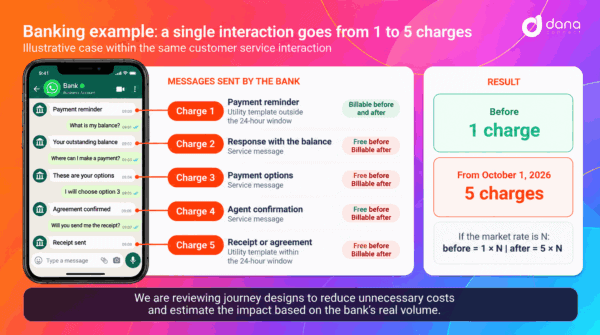
Until now, certain interactions within the 24-hour customer service window could be sent without messaging charges. Starting in October, some of those communications will become billable. For organizations handling large volumes, this means that every response, retry, and channel switch can have a greater impact on the total cost of the process, turning communication orchestration into an economic decision as well as an operational one.
What changes on October 1, 2026?
The changes affect the WhatsApp Business Platform, meaning organizations that use the WhatsApp APIs to integrate the channel with applications, customer service platforms, or automated business processes.
Two changes are particularly relevant.
Service messages become billable
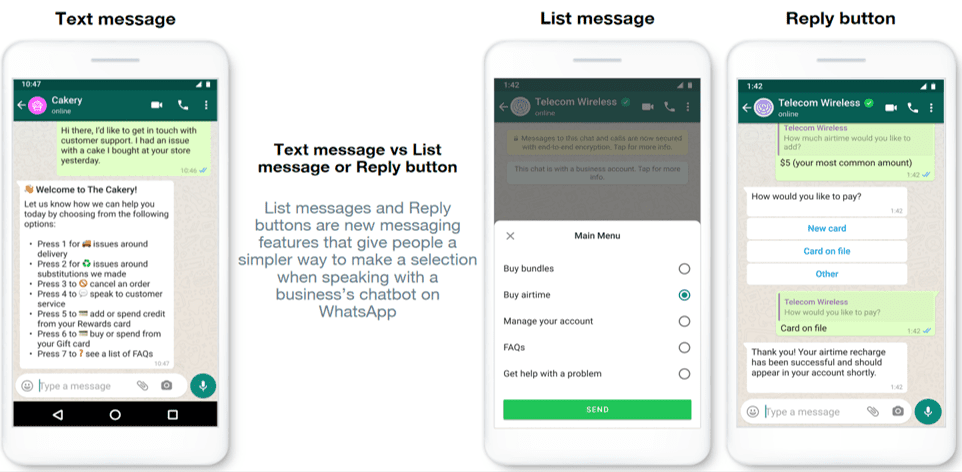
Service messages are non-template responses sent by a business during the 24-hour customer service window opened by a user interaction. Since November 2024, these messages could be sent without messaging charges.
Starting October 1, 2026, Meta will charge for these messages on a per-delivered-message basis once the monthly free allowance has been consumed. Each business phone number includes 1,000 free service messages per month. Beyond that volume, messages are charged according to the rate applicable to the recipient’s market.
Utility templates within the 24-hour window become billable again
Since July 2025, a template classified as Utility could be sent free of charge when a customer service window was open. That benefit ends on October 1, 2026.
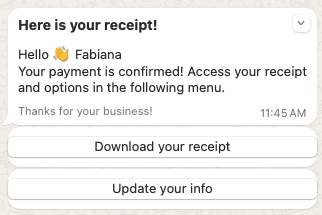
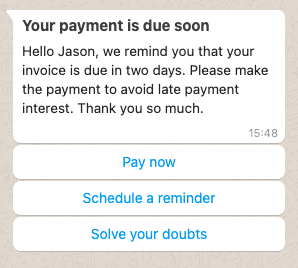
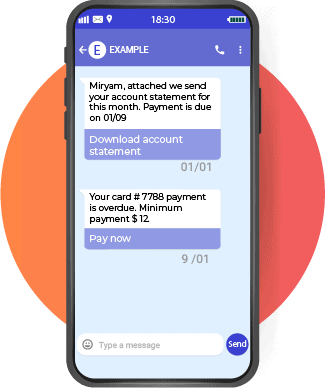
A Utility message — for example, a confirmation, transaction update, or information related to an existing service — will become billable even when it is sent within that customer service window.
Messages sent by users to businesses will remain free, and certain exceptions will continue to apply, including some conversations initiated through Meta’s free entry points.
For many organizations, particularly those managing high volumes of customer service and transactional communications, these changes significantly alter the economics of the channel.
The question is no longer how much one message costs
When a company sends only a few thousand messages per month, small changes in unit cost may have a limited impact.
The situation is very different for banks, insurers, telecommunications companies, utilities, and other large organizations processing hundreds of thousands or millions of customer interactions.
In those environments, the key question shifts from:
“How much does it cost to send a WhatsApp message?”
to:
“How much does it cost to successfully complete this communication process?”
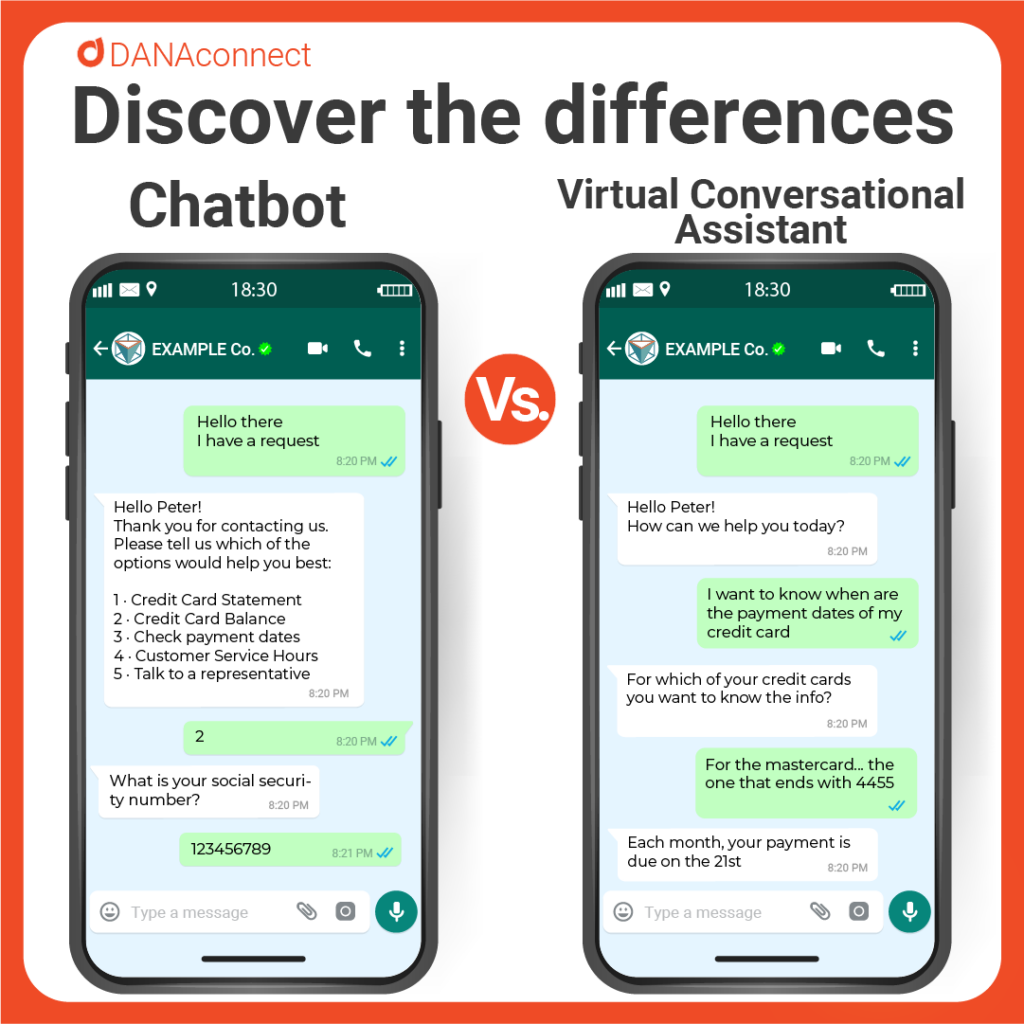
A seemingly simple notification can trigger multiple interactions. A message is sent, the customer replies, the system requests additional information, the customer responds again, a confirmation is sent, a document is shared, and another status update may follow.
Each of those steps can represent another communication.
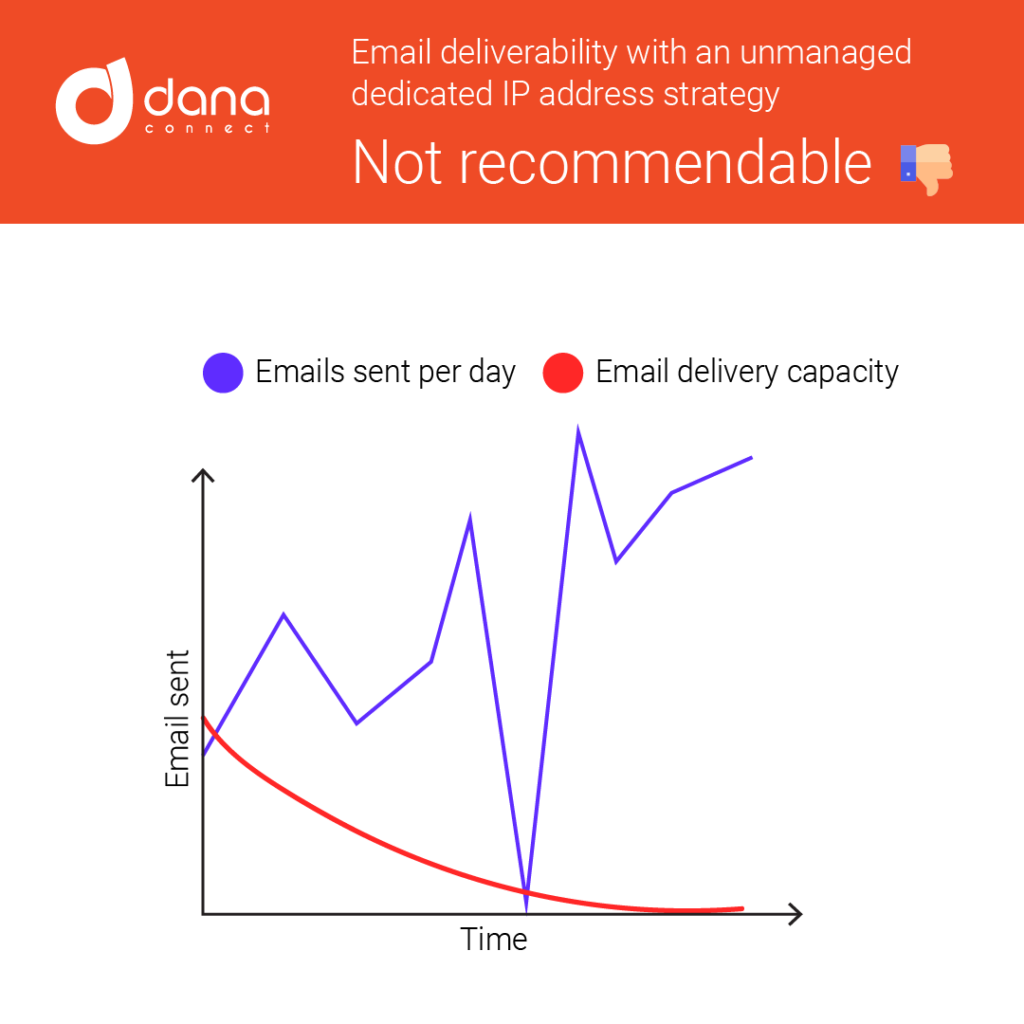
Add retries, redundant messages, or poorly optimized automations, and the total volume can increase very quickly. Under the new pricing model, the architecture of the journey can therefore have as much impact on cost as the price of the channel itself.
WhatsApp does not always have to be the first channel
WhatsApp offers a combination that is difficult to match: high adoption, immediacy, and a conversational experience users already understand.
But that does not mean every communication should begin there.
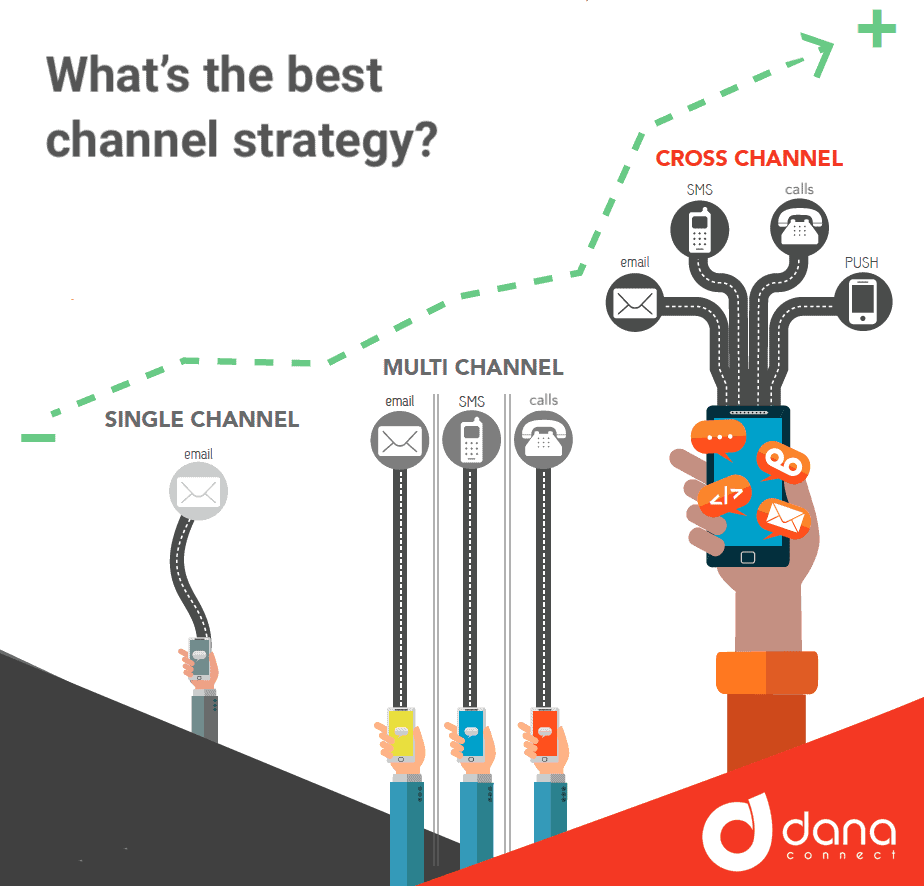
A cross-channel strategy can select the most appropriate channel based on the type of message, urgency, customer behavior, and the outcome of previous communications.
For example, an organization could design a flow such as:
Business event → Email → Wait → Evaluate result → WhatsApp → SMS as fallback
If the customer successfully received and opened the email, there may be no need to send another message.
If there was no interaction, the journey can continue through WhatsApp.
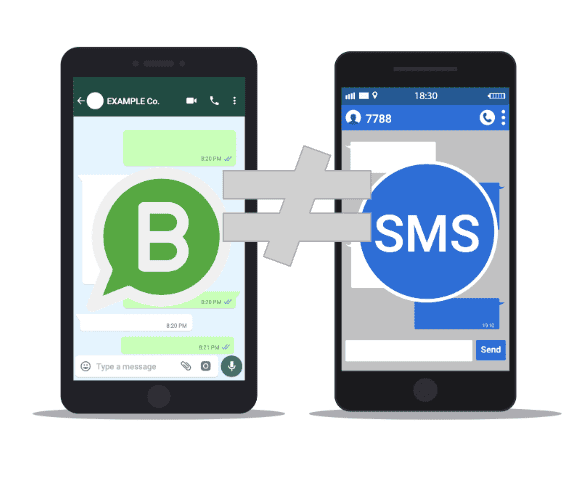
If WhatsApp still does not achieve the expected result, the system can use SMS or another available channel.
In this model, channel selection is no longer a static decision. It becomes a dynamic decision made by the journey according to what is happening with each customer.
Every unnecessary message also has a cost
When messages within a conversation were free, reducing one or two exchanges could be seen primarily as an improvement to the customer experience.
Now it can also represent a direct cost optimization.
Consider an automated process that uses four messages to collect information that could have been gathered in two. Multiplied across hundreds of thousands of conversations, the difference is no longer small.
The same applies to:
- retries that happen too frequently;
- messages from different systems communicating the same event;
- unnecessary confirmations;
- journeys that continue after the objective has already been achieved;
- fallback rules that activate multiple channels at the same time;
- conversations designed with more steps than necessary.
Optimization is no longer only about negotiating a better price per message.
It is also about sending fewer messages to achieve the same result.
Context matters: not every message has the same value
One consequence of this shift is that measuring only the number of messages sent becomes increasingly less useful.
Two companies can send the same number of WhatsApp messages and achieve completely different outcomes. One message may simply repeat information the customer already received by email, while another may lead someone to complete a critical transaction.
That is why communication costs should increasingly be connected to business metrics such as:
- notifications successfully delivered;
- customers who completed an action;
- recovered payments;
- completed processes;
- documents received;
- cases resolved;
- time to resolution;
- total cost per completed process.
The unit of analysis is no longer just the message.
It becomes the outcome of the journey.
An example: preventive collections
A collections process makes this easier to see.
Suppose a company needs to contact customers with a payment that is approaching its due date. A basic automation could immediately send a WhatsApp message to the entire customer base.
An orchestrated strategy can work differently.
1. Retrieve the debt information
The flow queries the amount due, due date, and customer status through an API.
2. Send the first notification
Email can be used when the communication does not require an immediate response.
3. Evaluate the interaction
The journey waits for a defined period and checks delivery, opens, clicks, or another available signal.
4. Use WhatsApp when it adds value
If the customer has still not completed the expected action, WhatsApp can be used as the next channel.
5. Activate a fallback
If the communication cannot be completed through WhatsApp, the process can continue through SMS or another available channel.
6. Stop the journey when the objective is achieved
If the payment system reports that the debt has already been paid, all pending communications can be automatically canceled.
7. Escalate when necessary
Cases that require additional intervention can be transferred to another process or to a human agent.
The goal is not to avoid WhatsApp.
The goal is to use it where it has the greatest likelihood of producing a useful result.
Message classification also matters
WhatsApp maintains different template categories, including Marketing, Utility, and Authentication, with different rules and pricing depending on the type of communication and the recipient’s market.
Meta also requires business-initiated conversations to use previously approved templates and maintains specific rules around the customer service window.
This means organizations need more than a technical integration with the API.
They need governance over:
- what type of communication is being sent;
- which template should be used;
- which application originated the message;
- why a particular channel was selected;
- what previous messages were sent;
- what happened in each interaction;
- when the journey should continue or stop.
For regulated organizations, this level of traceability can be particularly important.
Cost also depends on the recipient’s country
Another relevant factor for organizations operating across multiple markets is that WhatsApp pricing is not necessarily the same everywhere.
Meta determines pricing according to the market associated with the recipient’s phone number and maintains different rate cards by country and region. The pricing structure taking effect in October also includes changes to rates in certain markets.
A company operating across several Latin American countries, for example, should not assume that a strategy designed for one market will behave economically in exactly the same way in another.
This makes it even more important to measure costs and outcomes by:
country + channel + message type + journey + business objective
From managing channels to orchestrating communications
For years, many organizations added new communication channels as separate integrations: email in one system, SMS in another, WhatsApp through a separate platform, and notifications from internal applications.
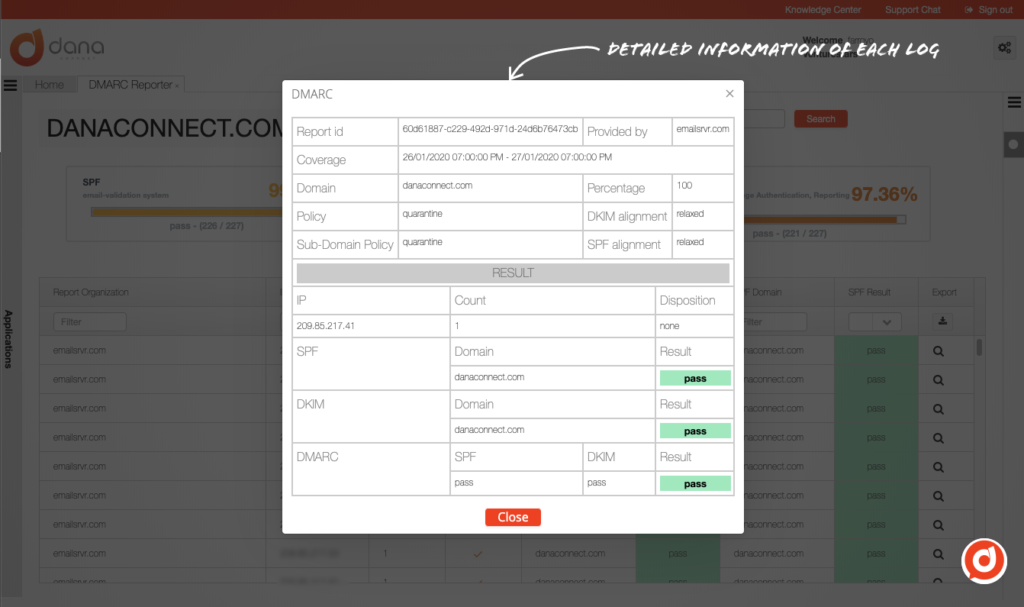
The problem appears when each system independently decides when to contact the customer. The result can be duplicate messages, overcommunication, and limited visibility into the end-to-end process.
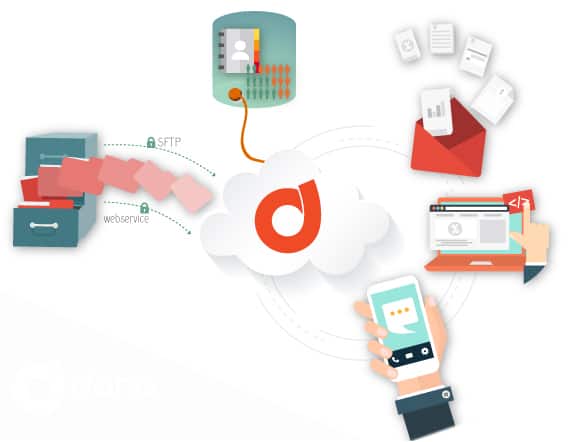
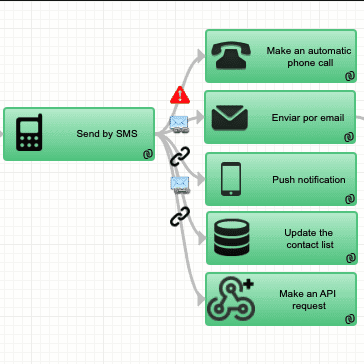
An orchestration platform such as DANAconnect approaches the problem differently: design the journey first, then use channels as resources within that process.
An automation can make decisions based on business events, information retrieved through APIs, the outcome of previous communications, and rules defined by the organization.
WhatsApp then stops operating as an isolated silo and becomes one component of a cross-channel strategy that is measurable and auditable from end to end.
Design better before sending more
The WhatsApp pricing changes taking effect on October 1, 2026 do not mean the channel becomes less valuable.
Quite the opposite.
WhatsApp remains one of the most important channels for customer communication in Latin America.
But when every interaction has a more visible cost, there is also more value in deciding correctly when to use it, what to use it for, and when it is not necessary at all.